
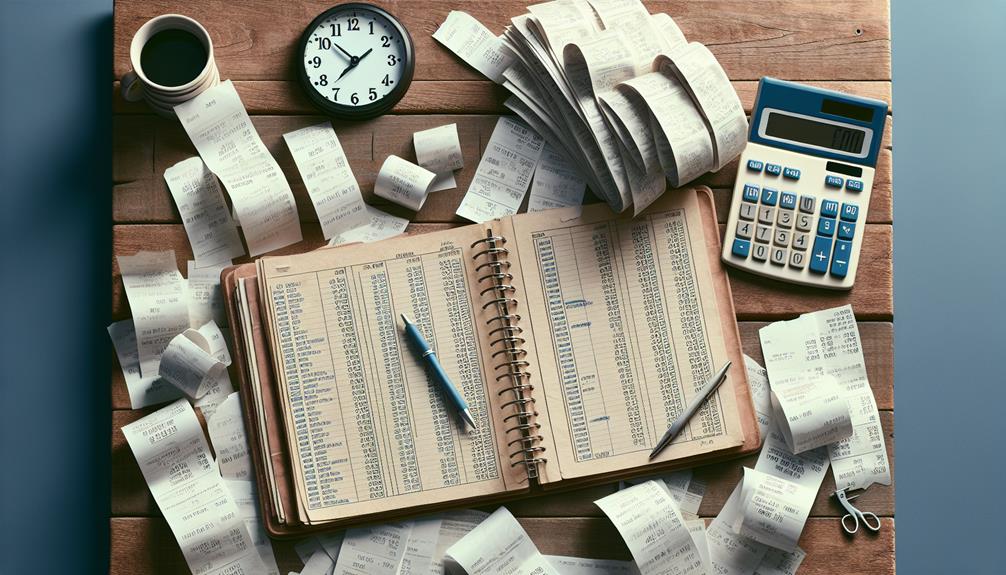
Mastering daily expense tracking requires setting clear financial goals to measure progress, categorizing expenses to identify spending patterns, and analyzing trends for adjustments. Establish short and long-term objectives that are measurable. Group expenses into categories for detailed breakdowns to recognize overspending areas. Analyze spending habits to pinpoint triggers for impulse purchases and monitor progress towards financial goals. Discipline and strategic planning are key to financial stability. Explore the strategies to enhance your financial management skills further.
Key Takeaways
- Set clear financial goals to guide your tracking efforts.
- Categorize expenses to easily identify spending patterns.
- Regularly analyze your spending to make informed adjustments.
- Use technology or apps for efficient daily expense tracking.
- Stay disciplined and consistent in tracking expenses for success.
Setting Financial Goals
Setting financial goals is essential for effective expense tracking and achieving financial stability. When establishing your financial goals, it is critical to set both short-term and long-term objectives. Short-term goals are essential for meeting immediate financial needs, while long-term goals assist in planning for the future. These goals should be measurable, allowing you to track your progress and make adjustments as needed. As your financial situation changes, it's important to revisit and revise your goals accordingly.
Having clear financial objectives not only provides direction but also guides your daily expense tracking and budgeting decisions. By setting achievable milestones and celebrating achievements along the way, you can stay motivated and focused on your financial journey. Remember, financial goals are not set in stone; they are meant to evolve with your circumstances. Regularly reviewing and adjusting your goals will help you stay on track and make sure that your financial aspirations remain attainable.
Categorizing Expenses
How can categorizing expenses benefit your financial tracking and budgeting efforts? Organizing expenses into different categories enables you to group similar expenses together, providing a detailed breakdown of where your money is going, whether it's towards groceries, transportation, or entertainment. This categorization method makes it easier to identify areas of overspending and pinpoint where budget adjustments are necessary. By creating a thorough budget based on specific spending categories, you gain a more in-depth understanding of your financial habits. This clear breakdown empowers you to allocate funds effectively, making it easier to manage your finances efficiently. Through the process of categorizing expenses, you can make informed decisions about where your money should go, ultimately helping you stay on track with your financial goals and achieve greater financial freedom.
Analyzing Spending Patterns
To gain deeper insights into your financial habits, start by analyzing your spending patterns to identify trends and areas where adjustments can be made. By tracking your expenses over time, you can pinpoint where you tend to overspend and need to make changes. Understanding the triggers for impulsive purchases is vital in improving your spending habits. Comparing your current spending to previous months allows you to assess your progress towards your financial goals and make informed decisions. Analyzing spending patterns enables you to recognize spending trends and make effective adjustments to achieve your desired financial outcomes. By delving into the data behind your expenses, you empower yourself to take control of your finances and steer them in a direction that aligns with your goals. Stay vigilant in analyzing your spending patterns to make sure you are on track and making the necessary adjustments for financial success.
Frequently Asked Questions
What Is the Best Way to Track Daily Spending?
The best way to track daily spending is by utilizing various methods, such as budgeting techniques, expense categories, tracking apps, cash vs. card transactions, setting saving goals, limiting impulse purchases, weekly summaries, meal planning, storing digital receipts, and enhancing financial awareness. By incorporating these strategies into your daily routine, you can effectively monitor your expenses, stay within budget, and make informed financial decisions for a liberated financial future.
What Is a Strategy to Help With Tracking Expenses?
To help with tracking expenses, consider utilizing budgeting techniques that involve setting clear savings goals and categorizing expenses into groups like groceries or utilities. Explore expense tracking apps for seamless monitoring and analysis. Evaluate your daily habits, distinguish between cash and card spending, and stay organized with receipt management. Regularly review your expenses monthly to identify impulse purchases and enhance financial awareness.
What Is the 50 30 20 Rule?
The 50/30/20 rule is a budgeting basic that guides your financial planning by dividing your income into needs, wants, and savings/debt repayment. This rule helps you manage money effectively, prioritize saving goals, and analyze spending habits. By allocating 50% to needs, 30% to wants, and 20% to savings, you gain control over your personal finance. Following this rule promotes financial balance, budget tracking, and the creation of an emergency fund.
What Helps to Keep Track of Daily Expenses in Accounting?
To maintain track of daily expenses in accounting, establish clear budgeting basics, categorize expenses, foster daily habits, uphold financial organization, manage receipts, utilize expense tracking apps, differentiate between cash and card transactions, plan meals, curb impulse purchases, and implement saving strategies. These practices will guarantee accurate monitoring of expenses, aiding in effective budgeting and financial management for a liberated approach to personal finances.
Conclusion
To sum up, mastering daily expense tracking requires setting clear financial goals, categorizing expenses effectively, and analyzing spending patterns diligently. By following these key tips, you can gain better control over your finances and make more informed decisions about your money. Remember, consistency is key when it comes to managing your expenses. Stay committed, stay organized, and watch your wealth grow with wisdom and wit.